Parasympathetic Nervous System
How to stimulate the Parasympathetic Nervous System
There are two main states of autonomic nervous system function in your body: the Sympathetic nervous system (‘flight or fight’ state) and the Parasympathetic nervous system (‘rest and digest’ state). When one state increases, the other state must decrease; both cannot be high at once.
Being in a consistently high sympathetic state has been shown to negatively affect many aspects of health, including mood, sleep, inflammation, immunity, and digestive function.
Stimulating the vagus nerve is an important pathway connecting your brain to various organ systems. This can actively increase the parasympathetic drive, in turn lowering the sympathetic state. You do not have to do all of the following activities to have a positive effect; start by adding one or two consistently into your daily routine.
Activities to Stimulate the Vagus Nerve
Diaphragmatic Breathing: Practice slow, deep breathing for 5 minutes, 2-3 times daily. Keep your shoulders relaxed and take slow, deep breaths in and out, allowing your tummy to rise and fall. Try to inhale for a count of 4 and exhale for a count of 6.
Cold Water Exposure: Start by splashing cold water on your face in the morning and evening. Even better, try ending your shower on cold for 30 seconds or more. You can alternate between hot and cold in the shower, but make sure you finish with cold water. Spending time in the ocean, a river, or a lake is also effective, but build up exposure time gradually.
Exercise: Regular exercise stimulates the vagus nerve and provides other health benefits. Aim for at least 30 minutes daily, such as a brisk walk, bike ride, dancing, or swimming. Choose a form of exercise you enjoy to help with consistency.
Earthing/Grounding: Skin contact with natural outdoor surfaces can improve vagal tone. Walk barefoot on grass, sand, or soil, or lie on the ground for 10 minutes or more each day.
Laughing: Laughing out loud directly activates the vagal nerve and stimulates diaphragmatic breathing. Meet with friends, watch a funny movie, listen to a comedy podcast, or practice deep belly laughing for no particular reason.
Singing, Humming, and Gargling: The vagus nerve is connected to your vocal cords and muscles at the back of the throat. Activating these muscles stimulates the nerve. Sing or hum along to music, or gargle water deeply in the back of your throat for 5 minutes morning and night.
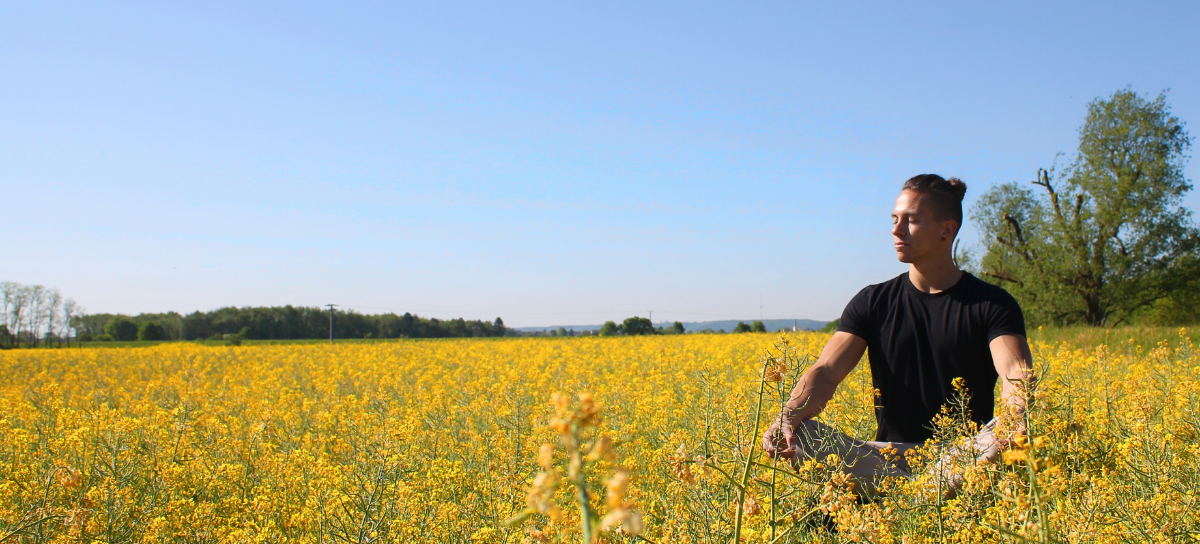
Meditation, Yoga, and Mindfulness: Taking time to relax and quieten your mind is beneficial for increasing vagal tone. You can practice at home, take classes, or use a meditation app for guidance.
Eat Well: Gut health affects the function of the vagal nerve. Eat a varied diet high in greens, colorful vegetables, quality proteins, and healthy oils/fats to keep the gut microbiome healthy. Aim for minimal intake of added sugar, alcohol, and ultra-processed food.