
Return to Driving After a Concussion
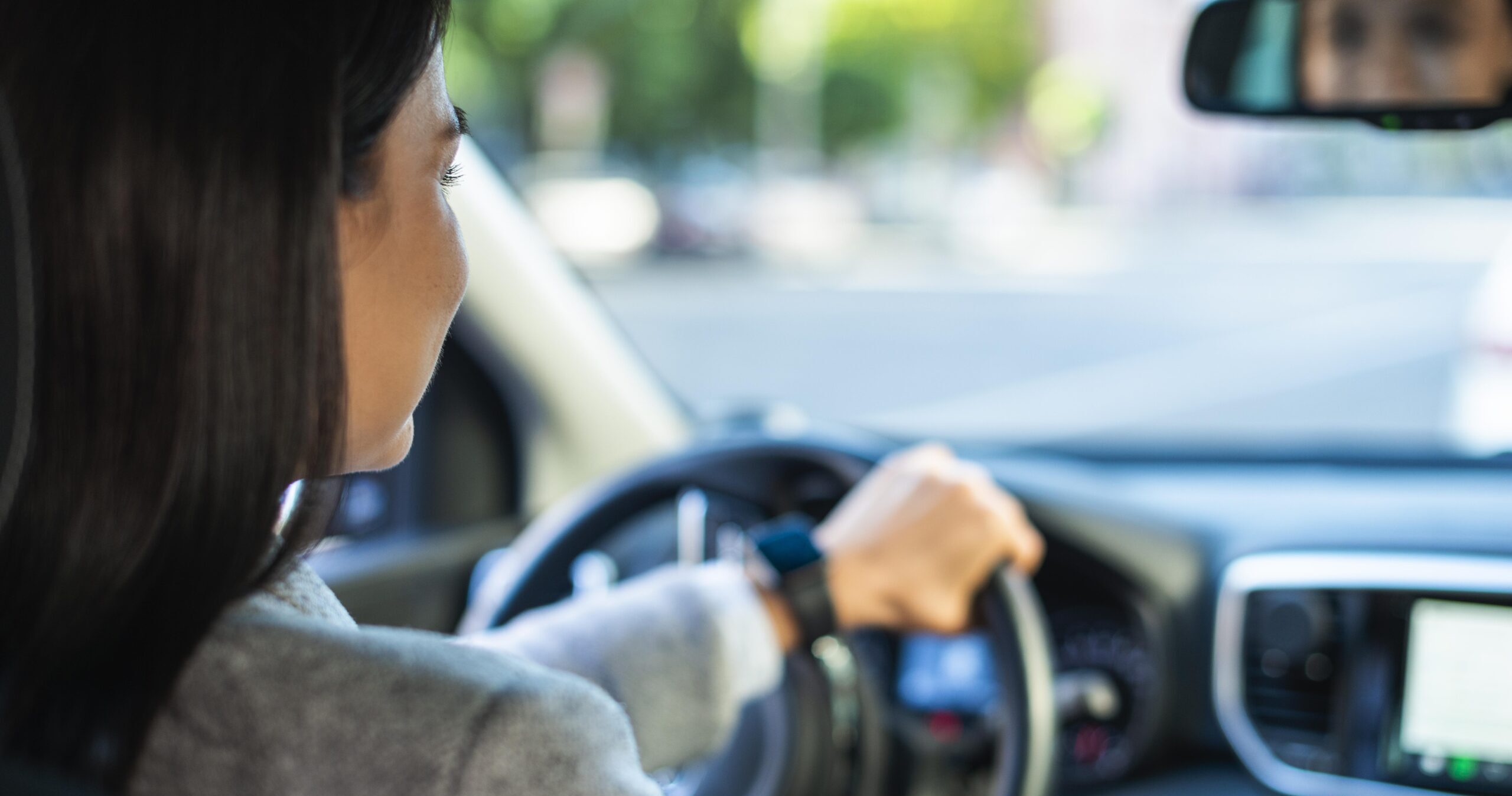
After a concussion, people may experience symptoms that can affect their ability to drive safely. These can include:
- Altered or impaired vision (for example blurred vision or poor depth perception)
- Slower reaction times and reduced coordination
- Difficulty concentrating or making decisions
Driving before you are ready can place you and others at risk.
As a general guide, avoid driving for at least 24–48 hours after a concussion, and do not drive if symptoms are still significant.
Before returning to driving, ask yourself:
- How am I feeling? If you feel unwell at rest, driving is not recommended.
- Can I see clearly? Avoid driving if you have blurred or double vision.
- Can I concentrate and make clear decisions during everyday tasks?
- Do I feel alert and able to react quickly if something unexpected happens?
The following stages can help guide a safe return to driving after a concussion.
Stage
1
No Driving (24-48 hours)
2
Be a Passenger only
3
Drive short distances (15-30 minutes) WITH a passenger,
Stay within your neighbourhood and choose quieter times of the day. AVOID rush hour traffic.
4
Drive longer distances (up to 1 hour) WITH a passenger
You may begin to include highways or slightly busier traffic conditions.
5
Drive sort distances (up to 30 minutes) WITHOUT a passenger
6
Return to driving longer distances WITHOUT a passenger (full return to driving)
Important Notes
- Progress through the stages gradually.
- Only move to the next stage if symptoms do not worsen during or after driving.
- If symptoms increase, stop driving and return to the previous stage for a few more days.
If your job involves driving (for example bus, courier, or heavy vehicle driving), you should see a doctor for medical clearance before returning to work.
If symptoms such as dizziness, blurred vision, slowed thinking, or poor concentration are present, do not drive.
When to Seek Advice
If you are unsure whether you are ready to return to driving, or if symptoms persist, seek guidance from a healthcare professional trained in concussion management.
Returning to physical activity is also an important part of recovery. See our guide on Active Rehabilitation After Concussion.